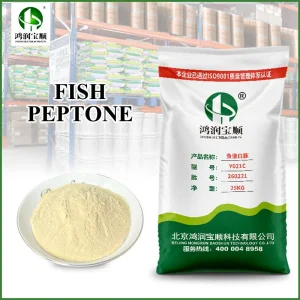
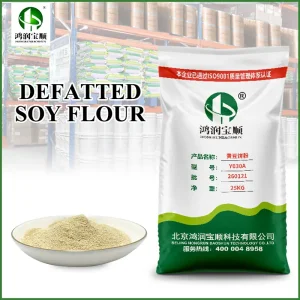
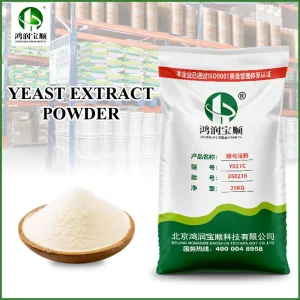
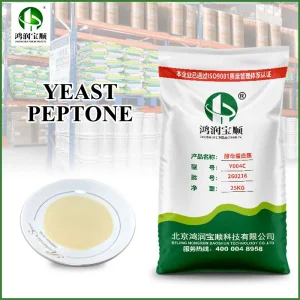
Explore our top-tier selection of industrial peptones, organic nitrogen sources, and specialized microbiological culture media components.
In modern industrial microbiology, the precision of qualitative and quantitative microbial analysis hinges heavily on the initial sample preparation phase. Saline Peptone Water (SPW) serves as a critical isotonic diluent designed to maintain the physiological integrity of microbial cells during homogenization, dilution, and transport. Unlike nutrient-rich growth media, SPW is engineered as a protective suspension fluid that limits rapid cellular proliferation while strictly preventing osmotic shock or lysis.
"Osmotic balance is the cornerstone of viable cell recovery. In sub-optimal osmotic environments, physically stressed or sub-lethally damaged pathogens (such as Listeria monocytogenes or Salmonella spp. exposed to food preservation processing) suffer irreversible membrane damage. Saline Peptone Water provides an exact 0.85% Sodium Chloride environment, mirroring physiological saline to preserve viability without skewing quantitative assays."
As leading wholesale manufacturers, Beijing Hongrun Baoshun Technology Co., Ltd. customizes SPW formulations using high-purity raw materials. Our manufacturing process ensures that the enzymatic digests of animal or plant proteins yield optimal peptide profiles that sustain cell viability over extended diagnostic timelines without inducing premature growth phase transitions.
Understanding the molecular dynamics of enzymatic peptones and electrolyte concentration in protecting cellular membranes.
By adjusting the Sodium Chloride (NaCl) concentration to exactly 8.5 grams per liter (0.85% w/v), the solution maintains an osmotic pressure equal to that of typical bacterial cytoplasm. This isotonicity prevents water influx (turgor pressure rupture) and water efflux (plasmolysis), protecting cell structural integrity.
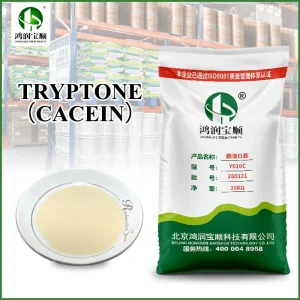
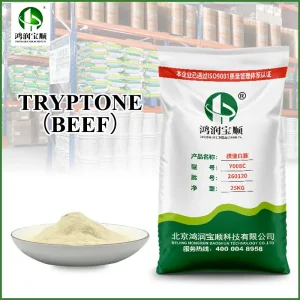
Our peptones, derived from pancreatin or trypsin digests of casein and meat tissues, provide low-molecular-weight amino acids, peptides, and nitrogenous bases. Rather than acting as a metabolic substrate for growth, these elements act as biological cushions, repairing sub-lethally damaged cellular walls.
Microbial enzymes are highly sensitive to pH variations during dilution stages. Our SPW formulation maintains a stable neutral pH range of 7.0 ± 0.2 at 25°C, ensuring that hydrogen ion concentration does not place further physiological strain on target analytes.
While closely related, Saline Peptone Water (SPW) and Buffered Peptone Water (BPW) serve distinct roles within laboratory diagnostic workflows. The choice between them depends entirely on the sample type, regulatory standards, and incubation requirements.
| Technical Parameters | Saline Peptone Water (SPW) | Buffered Peptone Water (BPW) |
|---|---|---|
| Sodium Chloride Conc. | 8.5 g/L (Isotonic, 0.85%) | 5.0 g/L (Low salinity) |
| Buffering Capacity | Minimal. Relies on peptone's natural amino buffering properties. | High. Contains Disodium Phosphate (3.5g/L) and Monopotassium Phosphate (1.5g/L). |
| Primary Application | Sample homogenization, non-selective serial dilution, and cell viability preservation. | Pre-enrichment steps for sublethally injured Enterobacteriaceae (e.g., Salmonella, E. coli). |
| Growth Promotion | Virtually zero. Limits multiplication to guarantee accurate raw counts. | Sufficient nutrient profiles to encourage revitalization and slow replication. |
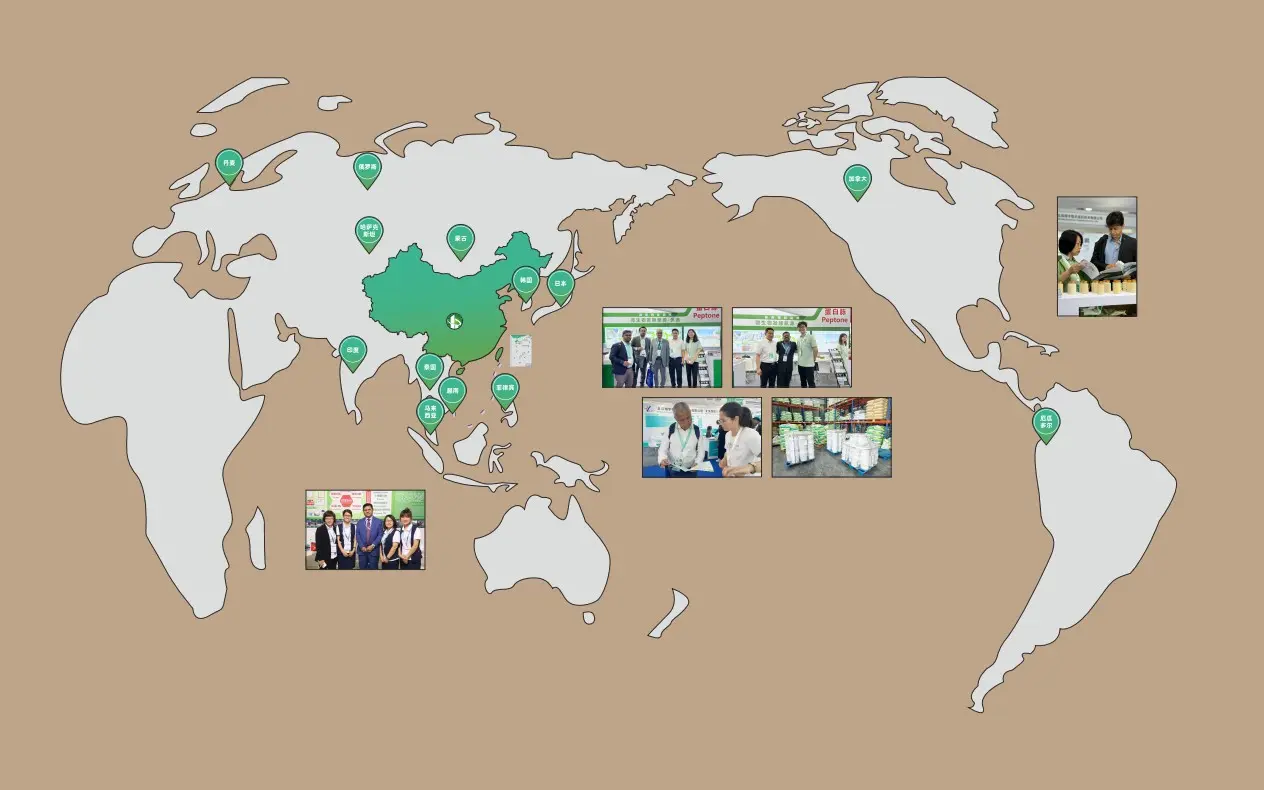
How pharmaceutical, food processing, and clinical research institutions secure reliable bulk logistics for diagnostic diluents.
Large-scale diagnostics developers require reliable supply chains. Our四川 factories maintain a dual-line independent manufacturing setup for animal- and plant-derived peptones. With a 20,000 square meter storage capacity, we guarantee stable delivery windows, shielding partners from global shipping disruptions.
Global logistics demand rigorous certifications. Under our five operating subsidiaries (including Beijing Yaoyou Technology and Sichuan Baoshun Biotech), we strictly maintain ISO 9001:2015 Quality Management Systems and MUI Halal Certification. This compliance streamlines importation pathways into the European, North American, and Southeast Asian markets.
Variations in peptone raw materials can disrupt analytical accuracy. We implement high-precision enzyme digest profiles and strict analytical testing. By examining free amino acid content, raw solubility, and biological activity, we guarantee that every batch of Saline Peptone Water maintains exact performance metrics.
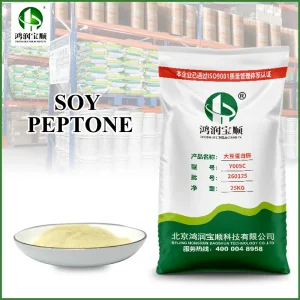
Driven by global sustainability trends and bovine spongiform encephalopathy (BSE/TSE) safety considerations, wholesale demands for plant-derived peptone configurations have spiked. We address this transition with specialized plant lines, manufacturing high-quality wheat, soy, and yeast-derived alternatives to meet rigorous non-animal formulation parameters.
Microbial species vary drastically across ecosystems. Standardized, off-the-shelf diluents do not always fit specialized analytical fields, such as testing highly acidic matrices, processing cosmetics containing active preservatives, or examining marine environments.
Integrating biotechnology and intelligence to manufacture the next generation of microbiological raw materials.
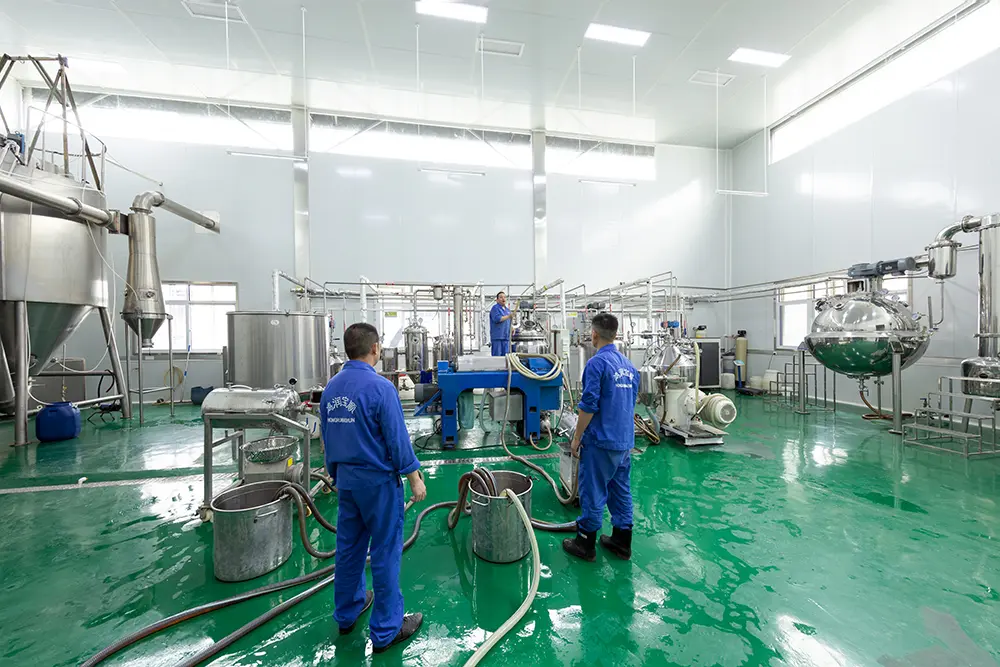
We leverage advanced AI molecular mapping models to simulate peptone hydrolysis. By matching enzymes with casein and vegetable protein structures, we maximize molecular stability and yield consistent nutrient profiles across every batch.
Our Sichuan processing facility runs eco-friendly production strategies. We utilize thermal-recovery spray drying loops and enzyme-recycled digestion systems to lower waste while maintaining high purity.
Our smart quality control system tracks processing conditions in real time. We record heating curves, enzyme addition rates, and drying pressures to establish a traceable data record for each delivery batch.
Detailed answers addressing industrial diagnostics, customization, and quality control.
Dehydrated Saline Peptone Water maintains a shelf life of 3 to 5 years when kept in its original, sealed container at a temperature range of 2°C to 30°C. Because peptone powders are highly hygroscopic, store them away from humidity and direct sunlight to prevent clumping or chemical degradation.
No. Standard protocols (like ISO 6579 / ISO 6887) recommend Buffered Peptone Water (BPW) for Salmonella detection. Salmonella strains exposed to processing conditions can produce organic acids, which drop the pH of unbuffered media and kill off the target bacteria. BPW contains phosphate buffers to stabilize pH levels, while Saline Peptone Water (SPW) is designed primarily as a non-nutritive diluent for direct plating and general dilution.
We maintain strict animal-derived and plant-derived segregation. Our animal peptone processing follows Halal sourcing principles, and we maintain complete trace audits. All ingredients and equipment undergo rigorous inspections to prevent cross-contamination, ensuring that every batch meets MUI Halal requirements.
Yes. To support quality validation, we provide free product samples up to 500 grams. This allows quality assurance teams to verify solubility, clarity, and biological performance in their own laboratories before placing bulk orders (shipping fees not included).
We recommend autoclaving Saline Peptone Water at 121°C (15 psi) for 15 minutes. Avoid overheating, as excessive thermal exposure can degrade peptone proteins, causing dark discoloration and reducing diluent efficacy.
Complete line of plant, animal, and yeast peptones designed for diagnostics and large-scale fermentation applications.
 Hongrun Baoshun