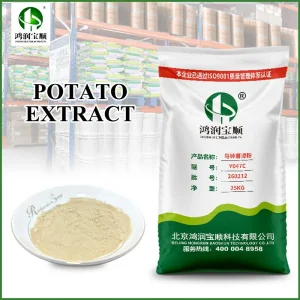
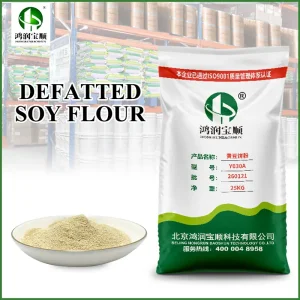
The global agricultural arena is witnessing a historic paradigm shift from simple mass-based nutrition to biomedically optimized, precise, and sustainable protein feeds. Within this landscape, raw soybeans are highly valued for their exceptional amino acid profile; however, raw soybean processing historically faced hurdles due to heavy concentrations of anti-nutritional factors (ANFs) like trypsin inhibitors, glycinin, and beta-conglycinin.
As a premier developer of biological fermentation and organic nitrogen inputs, Beijing Hongrun Baoshun Technology Co., Ltd. addresses these limitations by utilizing advanced enzymatic hydrolysis and microbial fermentation pipelines. These technologies break down large globular proteins into highly digestible peptides. This significantly increases feed conversion rates (FCR) while reducing biological stress in livestock, aquaculture, and microecological starter cultures.
Global regulatory bodies are severely restricting antibiotics in feed. Fermented soybean flour and peptones containing high probiotic levels and bioactive peptides serve as immune-boosting alternatives, stimulating gut health naturally.
Modern feed mills incorporate live beneficial strains (Bacillus subtilis, Lactobacillus). These require highly soluble organic nitrogen sources, like our soybean peptides and yeast extract powders, to stabilize during processing and storage.
Leading formula designers require exact molecular weight profiles (e.g., peptides < 1000 Daltons) to ensure immediate absorption in weaning piglets and juvenile aquatic species, bypassing complex stomach digestion.
B2B procurement directors at global feed mills, animal health conglomerates, and probiotic compounders navigate a strict grid of requirements. The challenges range from fluctuating pricing of standard soybean meal to rigorous regulatory checks concerning raw material safety.
Reliability is key. Supply chains must deliver products free from Salmonella, mycotoxins, and heavy metals, while maintaining consistent physical properties. Key parameters like bulk density, particle size mesh, moisture content (< 6.0%), and water solubility index must show minimal batch-to-batch variation.
Beijing Hongrun Baoshun solves these issues through deep-tier integration. Backed by five core subsidiaries—Beijing Yaoyou Technology, Sichuan Baoshun Biotechnology, Sichuan Romgee Biotechnology, Sichuan Yingwen Technology, and Sichuan Runxiaobao Technology—we manage every step from procurement of non-GMO soybean stocks to biological extraction and sterile milling.
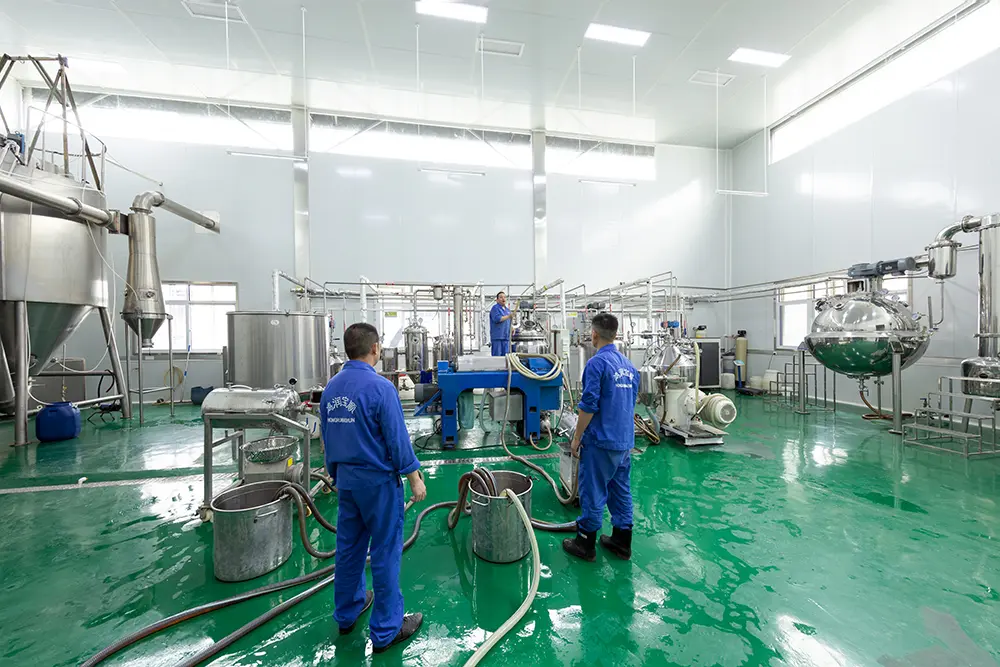
In 2018, Beijing Hongrun Baoshun upgraded its production footprint with a modern manufacturing complex in the Qili Industrial Park in Langzhong, Sichuan. Combining Phase I and Phase II factories, the facility spans over 40,000 square meters of space with a 20,000 square meter high-density storage facility. Upholding a strict standard where "no substandard products leave the factory," this location features dedicated, separate animal-source and plant-source production lines.
Strict physical separation of animal and plant product pipelines eliminates cross-contamination risks, supporting Halal and Kosher certification standards.
Climate-controlled warehousing protects raw materials from humidity and pest damage, ensuring stable product properties year-round.
Automated bioreactors track temperature, pH, and enzyme addition rates in real time, delivering consistent molecular weight distributions.
We offer up to 500g of free samples per product grade, letting clients test physical performance and compatibility in their systems before purchasing.
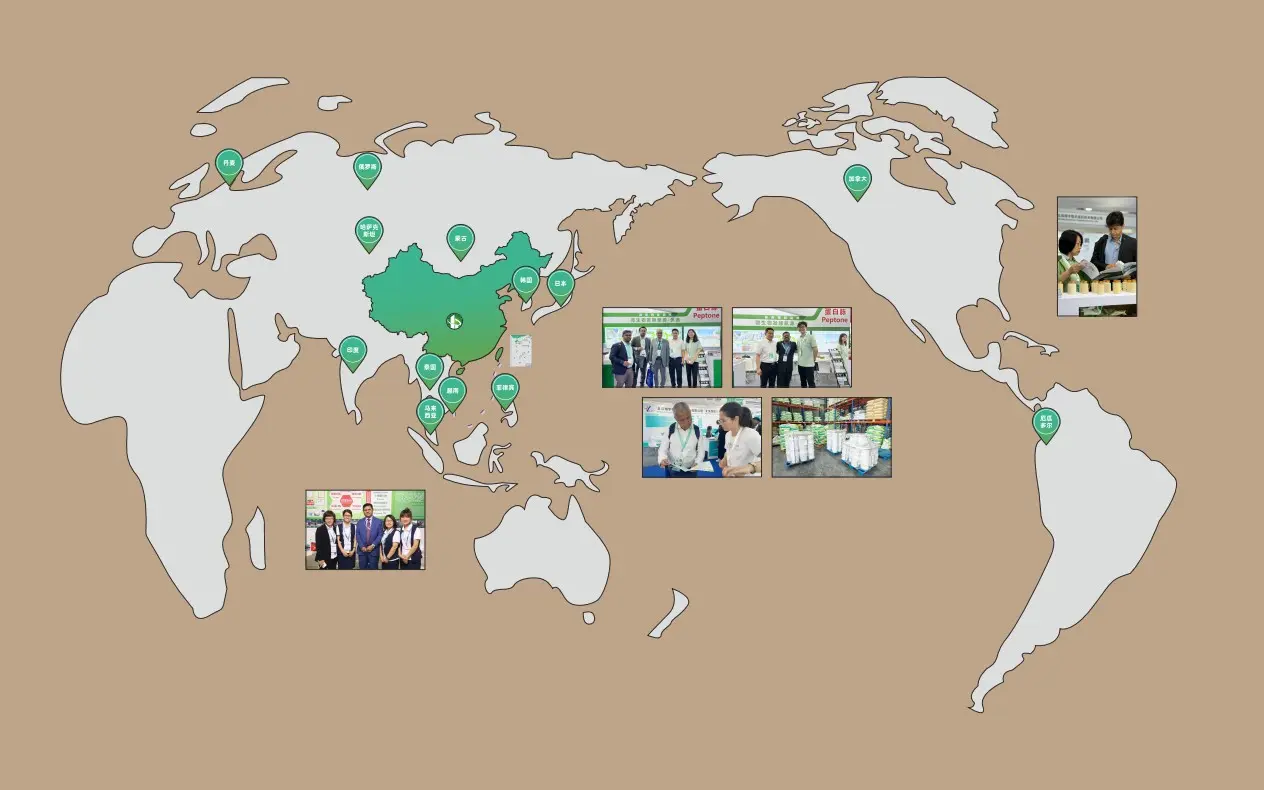
This infrastructure ensures long-term pricing stability, shields clients from raw material market shocks, and guarantees reliable lead times. We support global trade with professional, multilingual customer service team and reliable customs clearance pipelines.
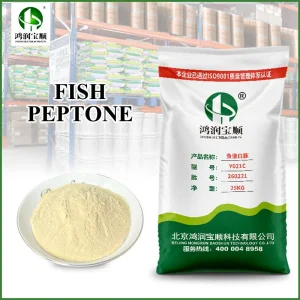
Larval shrimp and fish require water-soluble protein sources to prevent water pollution from uneaten feed. Our fermented soybean meal provides stable, organic nitrogen that disperses cleanly and digests quickly.
Young piglets often experience digestive issues during weaning. Hydrolyzed soybean peptides bypass intestinal trypsin barriers, helping to protect gut villi height and minimize diarrhea issues.
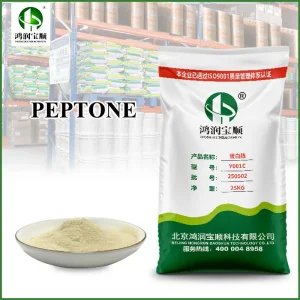
Soy peptone is a preferred animal-free organic nitrogen source for cultivating industrial yeasts, vaccines, enzymes, and microecological biopesticides, ensuring high cell density growth.
 Hongrun Baoshun