High-purity biological inputs produced under strict GMP and ISO standards, ensuring optimal growth dynamics for sensitive cells.
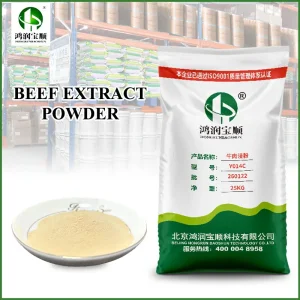
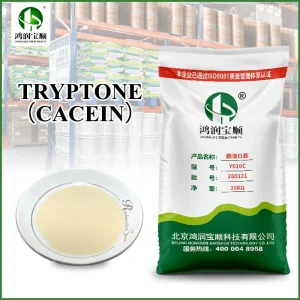
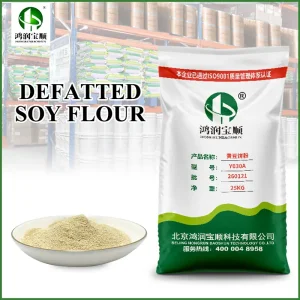
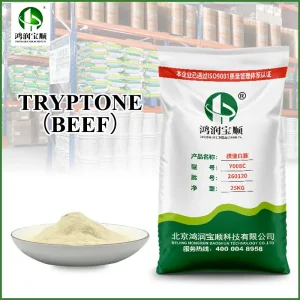
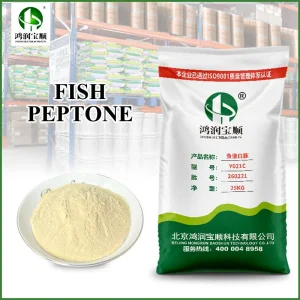
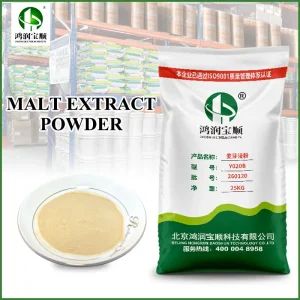
In industrial microbiology and cellular cultivation, Bacto Proteose Peptone is classified as an enzymatic digest of protein. Unlike standard peptones, this highly specialized product undergoes controlled enzymatic hydrolysis, generating a specific ratio of high-molecular-weight proteoses to lower-molecular-weight peptides and free amino acids. This unique molecular weight distribution makes Bacto Proteose Peptone an exceptional ingredient for fastidious microorganisms and cell-culture applications where rapid metabolic transitions must be prevented.
The composition of Bacto Proteose Peptone is rich in proteoses, which act as a slow-release nitrogen reservoir. During fermentation, microorganisms consume free amino acids and small peptides first. As these primary nitrogen sources are depleted, bacterial extracellular proteases break down the larger proteose structures, establishing a continuous nutrient supply. This molecular buffering system prevents nitrogen starvation, thereby extending the stationary phase of the fermentation cycle and maximizing target protein or secondary metabolite accumulation.
| Chemical & Physical Parameter | Bacto Proteose Peptone Standard | Standard Beef/Casein Peptone | Biological Impact |
|---|---|---|---|
| Amino Nitrogen (AN) / Total Nitrogen (TN) Ratio | 0.22 – 0.30 | 0.35 – 0.50 | Lower ratio indicates rich proteose fractions, providing sustained nitrogen release. |
| Molecular Weight Distribution (>5,000 Da) | 25% – 35% | <10% | Maintains cell wall integrity and supports fastidious bacterial toxin synthesis. |
| Ash Content (%) | ≤ 10% | ≤ 15% | Lower mineral stress on growing micro-cultures and easy downstream clarification. |
| Solubility (2% Solution) | Completely Clear, No Precipitate | Clear to Slightly Turbid | Crucial for spectrophotometric monitoring and final sterile filtration. |
By sourcing raw materials with verified traceability and executing digestion using high-purity pancreatin, manufacturing units in China achieve highly consistent raw material configurations. This stability is critical for developers compiling regulatory filings, such as CEP or DMF, where batch-to-batch chemical variation is closely scrutinized.
The biopharmaceutical and industrial biotechnology markets are expanding rapidly, driven by the global transition toward bio-based therapeutics, monoclonal antibodies, recombinant proteins, and microecological probiotic formulations. This surge has created a vast demand for consistent nitrogen sources like Bacto Proteose Peptone. Historically, Western suppliers dominated this space. However, rising manufacturing overhead, logistics complexities, and supply vulnerabilities have led global procurement teams to look toward qualified partners in China.
China-based manufacturing facilities, such as the Beijing Hongrun Baoshun Technology Co., Ltd. production hubs, leverage regional infrastructure, automated fermentation lines, and optimized supply chains to stabilize bulk supply. The factory in Sichuan features dedicated animal-derived and plant-derived processing lines, preventing cross-contamination risks and ensuring compliance with international regulatory expectations.
Furthermore, the proximity to raw agricultural and animal inputs allows Chinese factories to control cost structures while scaling up production. With continuous, high-volume production, Chinese suppliers maintain substantial safety stocks. This strategic buffering alleviates lead-time volatility, supporting uninterrupted global biopharmaceutical production.

Bacto Proteose Peptone serves as a highly versatile culture media component across various biotechnology and clinical sectors.
Key component in Columbia Blood Agar, Chocolate Agar, and fluid thioglycollate media for fastidious clinical pathogens.
A preferred nitrogen source for manufacturing recombinant therapeutic proteins, hormones, and antibody fragments.
Provides essential growth factors and trace elements needed for viral propagation and bacterial toxin synthesis (e.g., Diphtheria, Tetanus).
Maximizes viable cell counts and acid-tolerance properties for industrial probiotic strains like Lactobacillus and Bifidobacterium.
Optimizes nutrient density in large-scale industrial enzyme production and bio-pesticide fermentation systems.
During the development of microbial fermentation processes, maintaining high yields depends heavily on the source of organic nitrogen. Synthetic media often lack the complex peptone fragments and trace elements that trigger cell growth. Introducing Bacto Proteose Peptone into the media formulation supplies cells with pre-formed amino acids, saving energy that would otherwise be spent on de novo amino acid synthesis.
For instance, in recombinant Escherichia coli and Bacillus subtilis expression systems, Bacto Proteose Peptone helps sustain high cell density and prevents plasmid loss. The peptide composition supports ribosome stability and transcription, leading to increased protein expression. In viral vaccine manufacturing, the low-ash and high-clarity properties of this peptone ensure clean downstream purification, reducing the load on filtration systems.
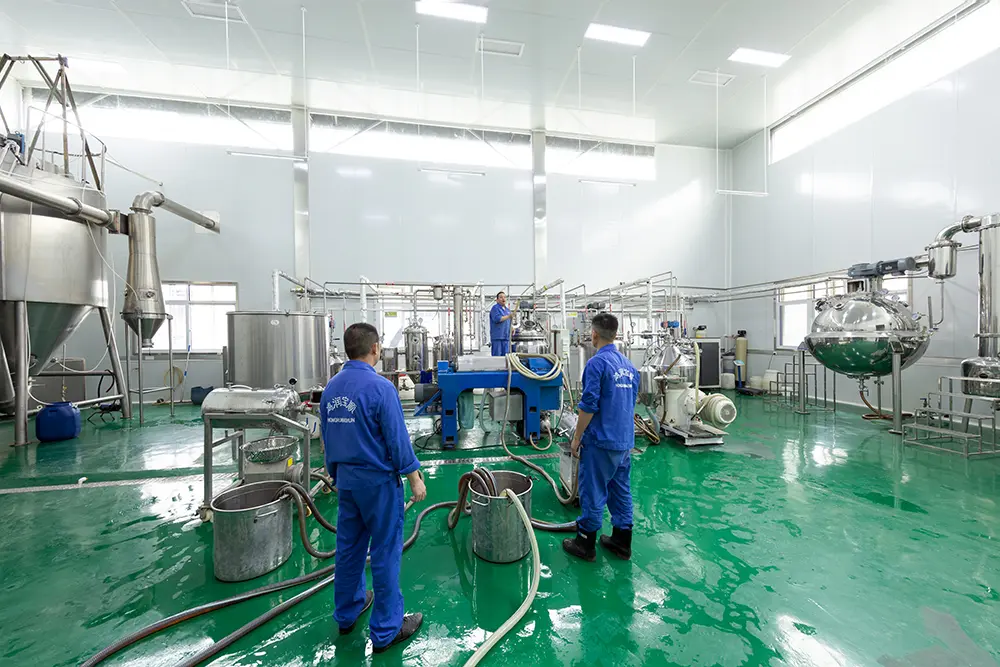
Established in 2008, Beijing Hongrun Baoshun Technology Co., Ltd. has grown from a science and technology innovation center in the Beijing Pilot Free Trade Zone into a modern high-tech enterprise. Integrating R&D, production, and sales, the company holds dual certifications as a National "High-Tech Enterprise" and a "Zhongguancun High-Tech Enterprise."
To expand production capacity and meet global demand, the company upgraded its strategy in 2018 by expanding into the Qili Industrial Park in Langzhong, Sichuan. This state-of-the-art facility features a total area exceeding 40,000 square meters, alongside a 20,000-square-meter modern storage facility. Operating with over 100 dedicated employees, the plant runs independent production lines for animal and plant processing, supplying high-purity peptones, yeast extracts, and protein powders.
Supported by five specialized subsidiaries—Beijing Yaoyou Technology, Sichuan Baoshun Biotechnology, Sichuan Romgee Biotechnology, Sichuan Yingwen Technology, and Sichuan Runxiaobao Technology—the enterprise coordinates research and logistics efficiently. Adhering to the principle of "no substandard products leaving the factory," the company is certified to ISO9001:2015 and MUI Halal standards, verifying safety, quality, and traceability for global markets.
We deliver reliable, customizable, and high-performance biological raw materials tailored to modern bioprocessing requirements.
We provide full-cycle technical support, including pre-sales consulting, on-site debugging, and regular follow-ups to ensure system performance.
We support personalized customization of product specs, molecular weight profiles, packaging, and application parameters to meet diverse industry needs.
Strict quality control systems and standardized production processes guarantee batch-to-batch consistency and high purity, earning global client trust.
A comprehensive supply chain and 20,000㎡ of modern warehousing ensure rapid order processing and reliable, on-time global delivery.
We offer cost-effective pricing strategies and flexible cooperation modes, including bulk discounts, to help partners optimize their margins.
Our professional export service team communicates across multiple languages, ensuring clear, barrier-free business coordination.
Our dedicated support system handles product returns, technical training, and process audits to keep your operations running smoothly.
The industrial bioprocessing market is undergoing a major shift. Raw materials must now meet stricter safety and consistency standards to minimize contamination risks. In vaccine and protein production, regulatory bodies emphasize raw material traceability, encouraging a transition to animal-free alternatives like plant-derived peptones and high-purity yeast extracts.
In response, manufacturers are focusing on refining plant proteins (such as soy, wheat, and pea) using customized enzymes. This approach yields peptide profiles that mimic traditional animal peptones, ensuring similar cell growth rates.
Another key trend is the demand for chemically defined media paired with specific peptone feeds. While chemically defined formulations provide a controlled environment, they sometimes lack certain natural growth factors. Supplementing these with low-molecular-weight, ultra-filtered peptone fractions delivers critical trace nutrients, helping bio-reactors achieve higher protein yields.
To meet these industry shifts, Beijing Hongrun Baoshun Technology Co., Ltd. has invested in molecular separation technologies. These processes remove color, minimize endotoxin levels, and target specific molecular weight profiles, enabling biopharma partners to streamline purification and maintain consistent cultivation results.
Expert technical answers addressing common inquiries from procurement directors and fermentation engineers.
Explore our full selection of nitrogen sources, yeast powders, and specialized fermentation ingredients.
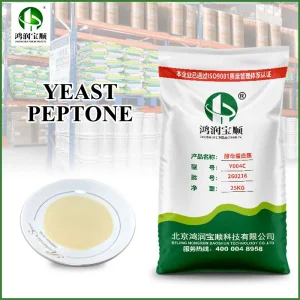
 Hongrun Baoshun