Explore our high-purity cultivation substrates designed to optimize biological yields and cellular growth kinetics.
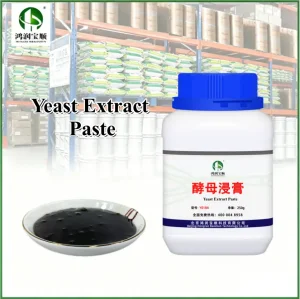
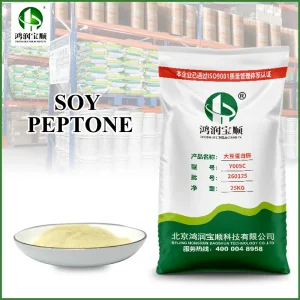
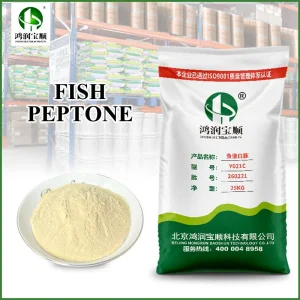
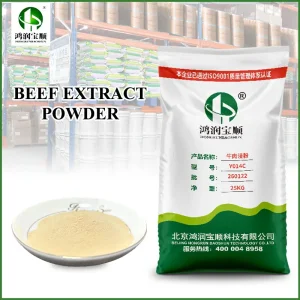
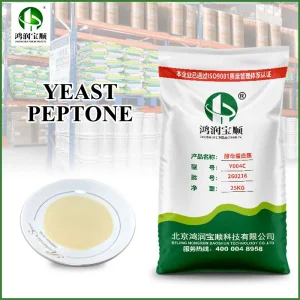
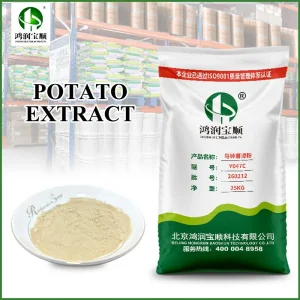
In modern industrial biotechnology, "forced fermentation" describes the hyper-accelerated, highly controlled cultivation process designed to maximize metabolic output from microbial systems. Rather than relying on natural, slow-paced metabolic cycles, industrial systems optimize bioreactor dynamics—such as dissolved oxygen saturation, precise heat transfer, and highly customized nutrient dosing. By controlling these factors, they force fast-paced cellular reproduction and high expression of target secondary metabolites, recombinant proteins, organic acids, and enzymes.
Central to the success of this strategy is the selection of premium organic nitrogen substrates and growth factor sources. Raw materials like peptones, yeast extracts, and meat digests supply essential vitamins, trace minerals, and bio-available amino acids. These components bypass the energy-consuming anabolic pathway of nutrient synthesis, letting microbial cells direct metabolic energy toward target product synthesis.
"Optimizing biological nitrogen input remains the most cost-effective lever for lowering production costs and increasing space-time yields in modern bio-manufacturing facilities globally."
Forced fermentation protocols require clean-label, heat-stable, and compositionally consistent raw inputs. Any batch-to-batch variation can disrupt bioreactor parameters, leading to foam-overs, cell death, or downstream purification failures. Because of this, global buyers prioritize suppliers that provide certified, high-purity biological substrates.
Microorganisms require specific nitrogenous molecules to construct essential cellular elements like cell walls, nucleic acids, and enzymes. Industrial substrates must meet precise parameters:

Nestled in the China (Beijing) Pilot Free Trade Zone Science and Technology Innovation Area, Beijing Hongrun Baoshun Technology Co., Ltd. is a modern high-tech enterprise integrating advanced biological research and development, large-scale production, and global sales. Recognized as a national "High-tech Enterprise" and a "Zhongguancun High-tech Enterprise," we have grown into a reliable cornerstone supplier for global industrial bioprocesses.
To support our expansion, we constructed a modernized, 40,000-square-meter manufacturing complex in the Qili Industrial Park in Langzhong, Sichuan. This site features isolated, dedicated production lines for both animal-derived and plant-derived products. This physical separation prevents cross-contamination and ensures compliance with strict regulatory standards worldwide.
How modern industries utilize forced fermentation technologies to meet shifting bio-market demands.
Global demand for biological drugs, industrial enzymes, and alternative proteins is rising. Companies use forced cultivation strategies to maximize volumetric yield and improve raw material conversion efficiency.
Modern bioreactors use real-time sensors to track dissolved oxygen, carbon dioxide levels, and metabolic byproducts. These systems adjust feeding protocols instantly to maintain optimal cell growth.
International regulatory agencies require clean production processes. Using non-GMO plant peptones and Halal-certified yeast products helps companies avoid cross-contamination risks and meet import guidelines.
Why international biotech businesses source their core fermentation ingredients from Chinese manufacturing hubs.
China's agricultural and industrial infrastructure provides reliable, direct access to high-quality raw materials, including soybeans, corn steep liquor, starch, and animal byproducts, ensuring stable production.
Advanced automation and large-volume bioreactor systems lower unit production costs. This lets us offer competitive pricing without sacrificing purity or quality standards.
Chinese factories use modern testing equipment, such as HPLC and amino acid analyzers, to monitor and control raw material composition and prevent contaminants.
We modify raw materials to meet specific client needs, adjusting molecular weight profiles, solubility, and nitrogen levels to match unique bioreactor systems.
Our centralized warehouses and partnerships with major shipping networks ensure secure, reliable delivery of bulk dry powders and liquids worldwide.
Our facilities utilize advanced water reclamation and waste treatment systems to minimize the environmental footprint of our extraction and refining processes.
How our organic nitrogen and carbon sources are applied across diverse microbial fields.
Used to produce recombinant proteins, monoclonal antibodies, vaccines, and therapeutic enzymes in mammalian and bacterial culture systems.
Provides organic nitrogen to optimize industrial metabolic pathways, helping maximize yields of lysine, threonine, and glutamic acid.
Supports the cultivation of sensitive strains, such as Lactobacillus and Bifidobacterium, keeping viability high during lyophilization.
Used to cultivate bio-pesticides, bio-fertilizers, and microbial inoculants that improve crop health and support sustainable farming.
Supplies nutrient bases used to cultivate beneficial aquaculture bacteria, helping improve water quality and protect aquatic animal health.
Cultivates specialized micro-organisms used in bio-augmentation and bioremediation to degrade complex industrial waste and clean wastewater.
Provides key nutrients that accelerate mycelium colonization, shorten growth cycles, and improve mushroom crop yields.
Aids in the high-yield production of industrial enzymes, including amylases, proteases, and phytases, used in food processing and textiles.
We work closely with clients to supply customized raw materials that match unique bioreactor requirements.
We provide full-cycle technical support, including pre-sales consultation, on-site debugging, after-sales maintenance, and timely troubleshooting to keep your systems operating smoothly.
We support personalization tailored to your needs, covering product composition, physical characteristics, packaging designs, and application options to meet diverse requirements.
Our strict quality control systems and standardized production processes ensure consistent raw material performance, high purity, and reliability across every batch.
Our supply chain management and regional distribution centers support fast order processing and on-time delivery, helping shorten procurement cycles.
We offer cost-effective pricing strategies and flexible cooperation arrangements, including volume discounts, to support long-term business partnerships.
Our professional service teams offer multilingual support to ensure clear, efficient communication and smooth cooperation for international clients.
Find answers to common questions about our products, production capabilities, quality systems, and logistics.
We source raw inputs like non-GMO soybeans, fresh animal tissues, and pure yeast cultures. Our production plants process these using controlled enzymatic hydrolysis to break proteins down into bio-available amino acids and peptides while preserving essential trace elements and growth factors.
Our Sichuan factory operates completely separate animal-derived and plant-derived production lines. These distinct manufacturing zones feature independent piping, processing equipment, and air handling systems, preventing cross-contamination and meeting strict regulatory standards.
Our production processes follow strict quality standards. We hold ISO9001:2015 Quality Management System Certification and MUI Halal certification, ensuring our products comply with international safety and religious purity guidelines.
Yes, we provide free samples of up to 500 grams per product for laboratory testing and evaluation (excluding shipping fees). Contact our team to request a sample for your strain tests.
Yes. We can customize physical and chemical properties—such as average peptide molecular weight, amino nitrogen ratios, solubility, and pH range—to match the specific metabolic demands of your culture strain.
We offer flexible packaging configurations for industrial and pilot scales. These include 25kg multi-layer Kraft bags with polyethylene inner liners, heavy-duty fiber drums for powders, and secure IBC totes or drums for liquid extracts.
Standard products in stock typically ship within 7 to 10 working days. For custom formulations or high-volume contracts, production schedules generally range from 2 to 4 weeks, depending on the required specifications and testing cycles.
We use computerized process controls at our Langzhong base to manage temperature, pH, enzyme dosing, and spray drying. Every production lot undergoes rigorous analytical testing, including total nitrogen, ash content, and moisture analysis, to verify consistency before release.
Maintain consistent culture media performance with our verified plant digests, animal peptones, and yeast components.
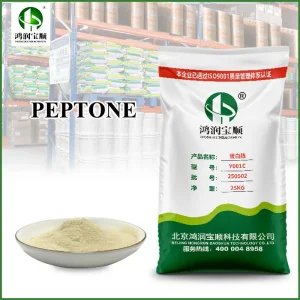
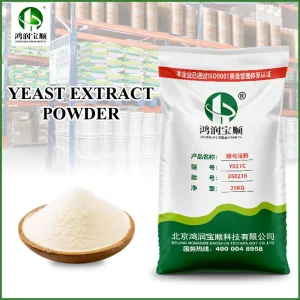
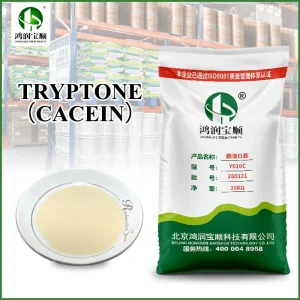
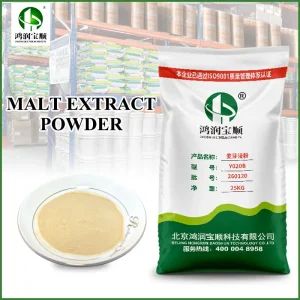
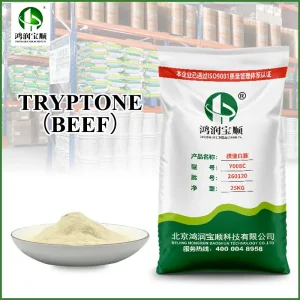
 Hongrun Baoshun