High-grade organic nitrogen bases, yeast extracts, and peptones engineered to sustain cell repair and optimized cell viability.
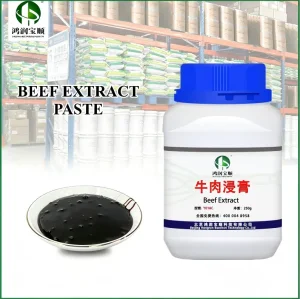
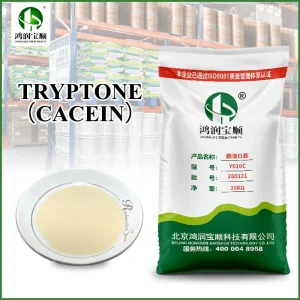
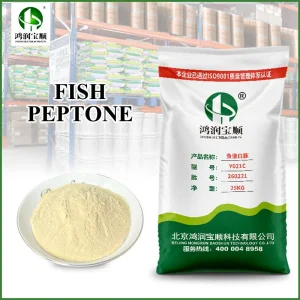
The Scientific Cornerstone of Pathogen Recovery in Sanitized Industrial Environments.
In modern microbiological diagnostics, particularly within food safety processing, pharmaceutical manufacturing, and cosmetics verification, the detection of low-level pathogen contamination faces a systemic technical hurdle: residual sanitizing agents. When surfaces are treated with chlorine, quaternary ammonium compounds (QACs), peroxides, or complex preservative mixtures, remnants of these microbicidal chemicals are inevitably carried over into collection swabs and environmental rinse samples.
Standard dilution fluids or basic Buffered Peptone Water (BPW) media cannot neutralize these chemical remnants. Consequently, even trace concentrations of sanitizer carryover continue to exert sub-lethal bacteriostatic or bactericidal effects inside the sampling container, suppressing cellular metabolic activity and leading to critical false-negative diagnostics.
Neutralizing Buffered Peptone Water (nBPW) represents a major technological leap. Formulated with a precise chemical cocktail of surfactants, reducing agents, and lipid-binding complexes, nBPW acts instantaneously upon contact to neutralize chemical disinfectants. This halts active cellular toxicity and creates a protective micro-environment where sub-lethally damaged pathogens (such as Salmonella enterica and Listeria monocytogenes) can recuperate, restore physiological homeostasis, and replicate to detectable thresholds.
An expert breakdown of active ingredients and their corresponding targets.
The efficacy of Neutralizing Buffered Peptone Water depends on maintaining the osmotic and buffering integrity of standard peptone water while integrating highly targeted neutralizing chemical components. The formulation below outlines how the specific agents target and neutralize common industrial disinfectants:
| Formulation Ingredient | Typical Concentration (g/L) | Biochemical / Physiological Role | Target Disinfectants Neutralized |
|---|---|---|---|
| Enzymatic Digest of Casein (Peptone) | 10.0 | Provides nitrogen, amino acids, and vitamins required for damaged bacterial repair and growth. | None (Nutrient Base) |
| Sodium Chloride | 5.0 | Maintains osmotic equilibrium to prevent cell lysis in damaged membrane barriers. | None (Osmotic Stabilizer) |
| Disodium Phosphate (Anhydrous) | 3.5 - 9.0 | Acts as a hydrogen ion buffer, keeping the medium within pH 7.2 ± 0.2. | Acidic/Alkaline carryovers |
| Monopotassium Phosphate | 1.5 | Provides secondary buffering capacity to counteract acidic environmental residues. | pH extremes |
| Lecithin (Phosphatidylcholine) | 3.0 | Binds hydrophobic cationic agents, rendering them structurally inert. | Quaternary Ammonium Compounds (QACs), Cationic surfactants |
| Polysorbate 80 (Tween 80) | 30.0 | Non-ionic surfactant that emulsifies lipophilic structures and inactivates phenol ring arrays. | Phenolics, Hexachlorophene, Sanitizing oils |
| Sodium Thiosulfate | 6.0 | Acts as a powerful reducing agent to reduce active halogens to inert salts. | Chlorine, Iodine, Active Oxidizers |
From poultry rinses to sterile cleanroom validation: where nBPW is mandatory.
Widely applied during poultry processing (e.g., USDA-FSIS carcass wash guidelines). Neutralizes residual peracetic acid (PAA), acidified sodium chlorite, and chlorine washes during pathogen testing for Salmonella and Campylobacter.
Aligned with ISO 21149 and ISO 18415 standards. Cosmetic matrices are heavily loaded with preservatives (e.g., parabens, phenoxyethanol, organic acids). Diluting samples in nBPW neutralizes these preservatives to allow accurate microbial counts.
Used in environmental monitoring of cleanrooms. Surfaces are routinely sanitized with quaternary ammonium formulas. Swabbing with nBPW ensures residual sanitizer on the swab does not produce false-negative culture reports.
To establish reliable E-E-A-T credentials under strict auditing bodies, factories must validate their nBPW medium. The validation comprises two fundamental pillars:
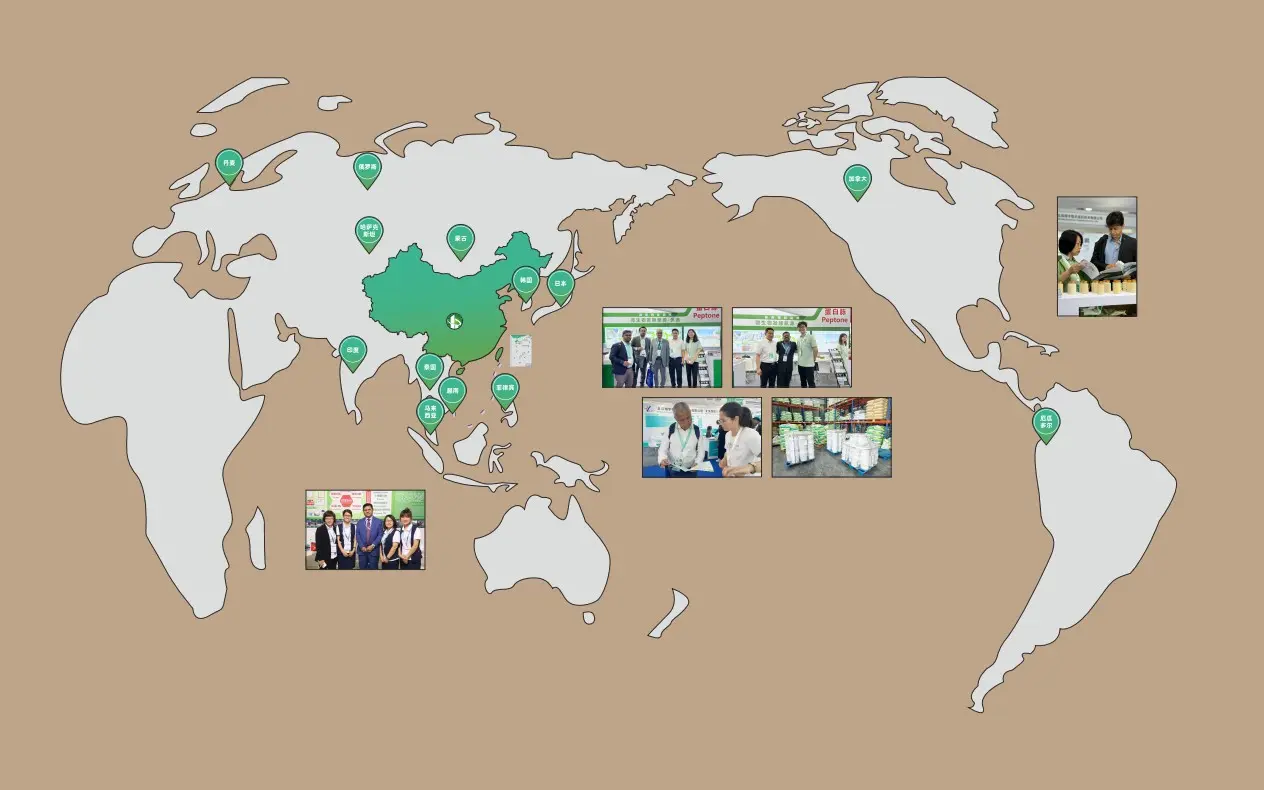
How Beijing Hongrun Baoshun Technology Co., Ltd. delivers global consistency and volume security.
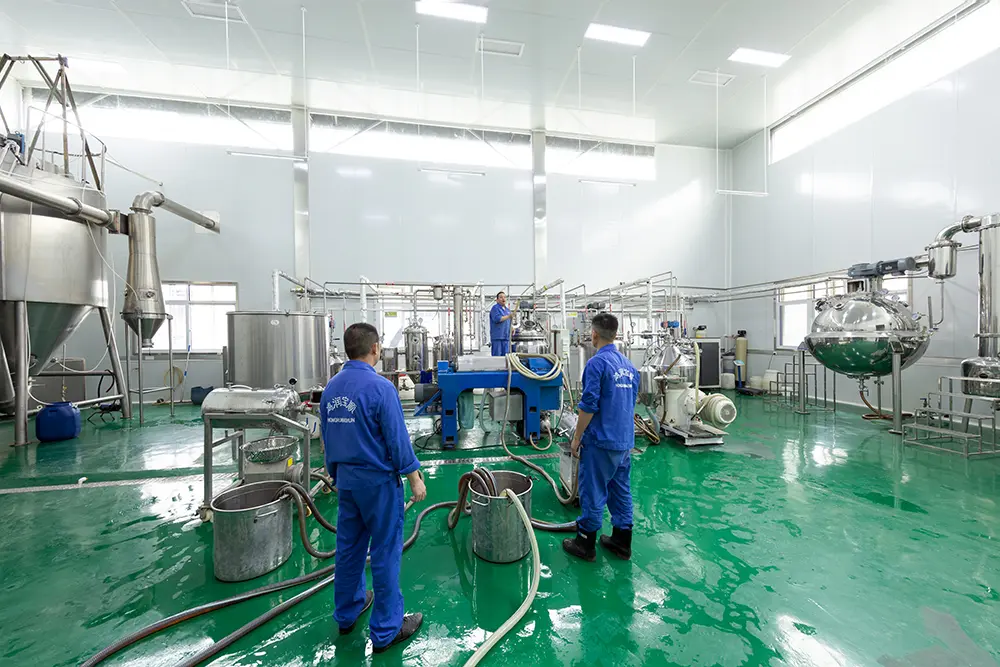
Established in 2008, Beijing Hongrun Baoshun Technology Co., Ltd. has expanded from its origin in the China (Beijing) Pilot Free Trade Zone Science and Technology Innovation Area into a top-tier Chinese high-tech manufacturer of microbial fermentation media and dehydrated substrates.
The company's expansion into the Qili Industrial Park in Langzhong, Sichuan represents a significant increase in production capacity. Across the Phase I and Phase II factories, the facility spans over 40,000 square meters, supported by a 20,000 square meter modern storage center. This scale allows the company to secure, isolate, and batch-produce animal and plant-derived culture media on dedicated lines.
With modern spray drying towers, automatic powder blenders, and strict environmental control systems, the facility produces highly uniform dehydrated media batches. This level of capacity prevents the batch-to-batch variations commonly associated with smaller manufacturers, providing a reliable source for international procurement.
Through five highly integrated subsidiaries—Beijing Yaoyou Technology, Sichuan Baoshun Biotechnology, Sichuan Romgee Biotechnology, Sichuan Yingwen Technology, and Sichuan Runxiaobao Technology—the organization maintains full control over its raw materials. This structural integration enables high-volume manufacturing of peptones, yeast extracts, and customizable media solutions with consistent quality.
Pioneering vegan formulations, improved solubility, and sustainable packaging models.
As global regulatory standards move toward greener, non-animal-derived components, culture media technology is adapting. Beijing Hongrun Baoshun Technology Co., Ltd. continues to update its products to meet these changing environmental and safety standards:
Replacing casein-derived peptones with enzymatic digests of wheat and soybean. This removes bovine spongiform encephalopathy (BSE/TSE) risk profiles, which is critical for vaccine production and cleanroom applications.
Applying fluid-bed granulation processes to create free-flowing dustless granules. This design reduces particle inhalation hazards for laboratory staff and ensures rapid, clump-free dissolution in water.
Utilizing multi-laminate barrier packaging to protect the dehydrated media. This design shields the product from moisture absorption and oxidation, extending the shelf-life of lecithin-containing formulations.
Rigorous quality standards to ensure compliance with global regulatory guidelines.
Beijing Hongrun Baoshun Technology Co., Ltd. operates under a strict quality management system to ensure that all finished products meet international standards. The company is certified under the ISO 9001:2015 quality management standard and holds the MUI Halal certification.
Each batch of Neutralizing Buffered Peptone Water undergoes validation testing prior to release. The quality control process includes:
Expert technical responses to common questions regarding formulation, storage, and application.
Premium tryptones, peptones, and plant extracts for microbiological testing and industrial applications.
 Hongrun Baoshun