Premium grade animal, plant, and yeast-derived nitrogen nutrients tailored to maximize fermentation efficiencies and biomolecule expression.
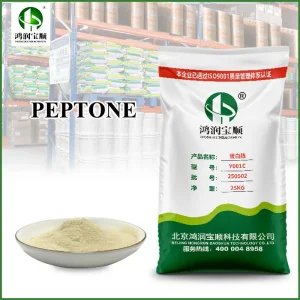
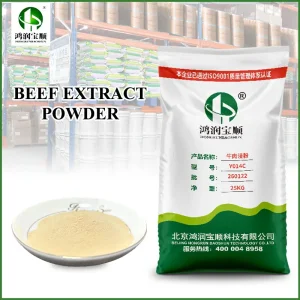
A Technical Whitepaper on Improving Biological Productivity via Premium Organic Trace Nutrients
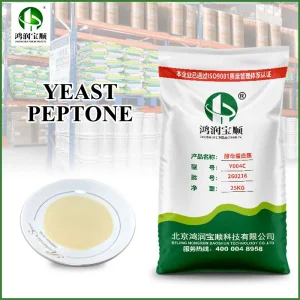
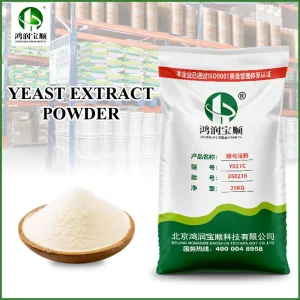
Citric acid is primarily manufactured globally via submerged fermentation using filamentous fungi, specifically Aspergillus niger. The biochemical cascade required to accumulate citric acid requires limiting specific nutrients (like manganese, iron, and inorganic nitrogen) while maintaining an optimal carbon-to-nitrogen (C:N) ratio. The introduction of high-purity organic nitrogen sources—such as yeast extract, soy peptone, and customized animal peptones—provides the necessary peptides, free amino acids, vitamins, and minerals that support high-density cellular growth without blocking the citric acid accumulation pathway.
During the growth phase, Aspergillus niger synthesizes critical enzymes of the glycolysis pathway and the tricarboxylic acid (TCA) cycle. Premium nitrogen sources accelerate this structural phase, ensuring a robust mycelial morphology. In the subsequent production phase, controlled limitation of trace metals alongside a continuous, slow-release nitrogen source shifts the metabolic flux away from cell division directly to the overproduction of citric acid.
Modern bioprocess operations are constantly battling raw material volatility, inconsistent fermentation yields, and batch-to-batch variability. Citric acid is a high-volume, low-margin industrial chemical. Global manufacturers require suppliers capable of providing thousands of metric tons of standardized fermentation nutrients.
Sourcing from certified plants like Beijing Hongrun Baoshun Technology Co., Ltd. mitigates these risks. Operating advanced, separate animal and plant-derived production lines prevents cross-contamination, guarantees halal compliance (via MUI Halal certification), and ensures that batches meet strict chemical and physical parameters (pH, solubility, total nitrogen, and amino acid profiling).
A Modern High-Tech Enterprise Redefining Global Bioprocess Media Supply Standards since 2008
Founded in 2008 and rooted in the science-rich environment of the China (Beijing) Pilot Free Trade Zone, Beijing Hongrun Baoshun Technology Co., Ltd. has evolved into a premier developer and manufacturer of microbial nutrients. Recognized as both a National "High-tech Enterprise" and a "Zhongguancun High-tech Enterprise," we serve as the vital backbone for industrial fermentation projects worldwide.
In 2018, we expanded our production capabilities by establishing a state-of-the-art facility in the Qili Industrial Park in Langzhong, Sichuan. Spanning over 40,000 square meters of high-efficiency production lines and supported by 20,000 square meters of controlled warehousing, this expansion allows us to manage large batch volumes, guaranteeing long-term supply stability for multi-national citric acid and biomanufacturing plants.
Our network includes 5 specialized subsidiaries working in perfect synergy: Beijing Yaoyou Technology, Sichuan Baoshun Biotechnology, Sichuan Romgee Biotechnology, Sichuan Yingwen Technology, and Sichuan Runxiaobao Technology.
How we ensure unmatched performance and safety across agricultural, industrial, and clinical bioprocesses
Adhering to strict "no substandard products leaving the factory" protocols. Certified under ISO9001:2015 and MUI Halal quality systems.
Independent production setups for animal-derived and plant-derived products prevent cross-contamination, satisfying strict regulatory frameworks.
Tailored nitrogen values, mineral content, solubility limits, and physical forms (liquid/powder) to match client bioreactor profiles.
Massive raw material stock and multi-region warehouses guarantee consistent supply chains and minimal lead times globally.
Providing up to 500g of free product samples per run for strain testing and lab verification (excluding transport cost).
Expert support team to assist global clients in formulating custom growth profiles and optimizing industrial media.
Enabling biological progress across pharmaceutical, agricultural, food, and environmental industries.
| Application Field | Primary Nitrogen Resource Needed | Key Performance Indicators (KPIs) Affected | Industry Standard Compliance |
|---|---|---|---|
| Culture Media Development | Yeast Peptone / Beef Extract | Total cell density, colony morphology, agar clarity | Clinical & Lab Standards |
| Biomedical Applications | Ultra-pure Soy Peptone / Yeast Extract | Antibiotic titers, vaccine expression rates, endotoxin limits | GMP & ISO9001:2015 |
| Amino Acid & Citric Fermentation | Peptone Organic Nitrogen / Wheat Peptone | Conversion rates, substrate yield, bypass reduction | Industrial Grade / MUI Halal |
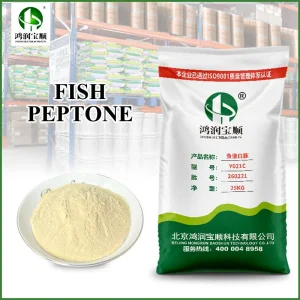
| Probiotics & Microecologicals | Fish Peptone / Yeast Extract Paste | Lactobacilli count, cell viability during freeze-drying | Food & Nutraceutical Grade |
| Biological Agriculture & Feeds | Fermented Soybean Meal / Soybean Flour | Soil microbiology enrichment, cost-effectiveness, protein digestibility | Feed Grade / Organic Certified |
The performance of Aspergillus niger in submerged cultures is sensitive to iron, copper, and zinc levels. When raw carbon sources like beet or cane molasses are used, they introduce variable concentrations of heavy metals which disrupt the accumulation of citric acid by activating aconitase (the enzyme that degrades citrate). To overcome this, industrial fermentations require complexing or compensating with organic nitrogen components that naturally chelate trace minerals, providing a buffered micro-environment.
Using our highly filtered peptones and yeast extracts ensures that the addition of nitrogen does not introduce erratic trace metals. This allows fermentation engineers to precision-control metallic addition, locking the citric acid synthesis pathway in place and maximizing conversion metrics.
Addressing the challenges of mutating strains, changing environmental air quality, and varying regional water characteristics with customized media solutions.
Industrial microbiology must evolve constantly to meet shifting challenges. Strains adapt, process water composition varies between facilities, and environmental air dynamics affect bioreactor stability. Hongrun Baoshun delivers tailored, custom-fit nutrient profile adjustments to ensure robust, predictable bioprocesses.
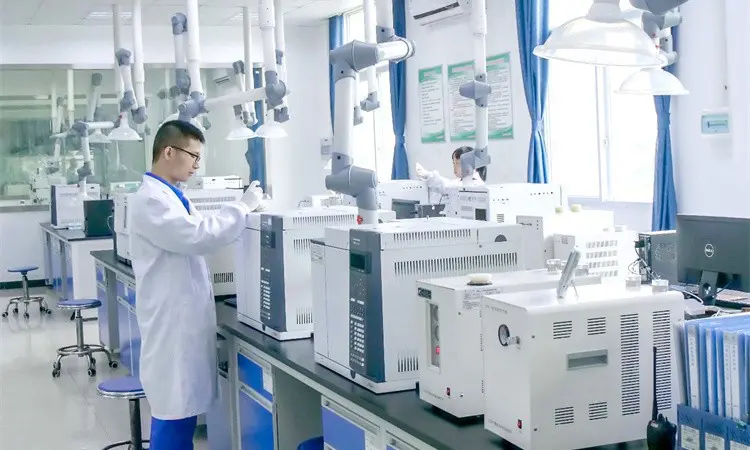
We provide full-cycle technical support, including pre-sales consultation, on-site debugging, after-sales maintenance, and timely problem-solving, ensuring stable and efficient operation of your system.
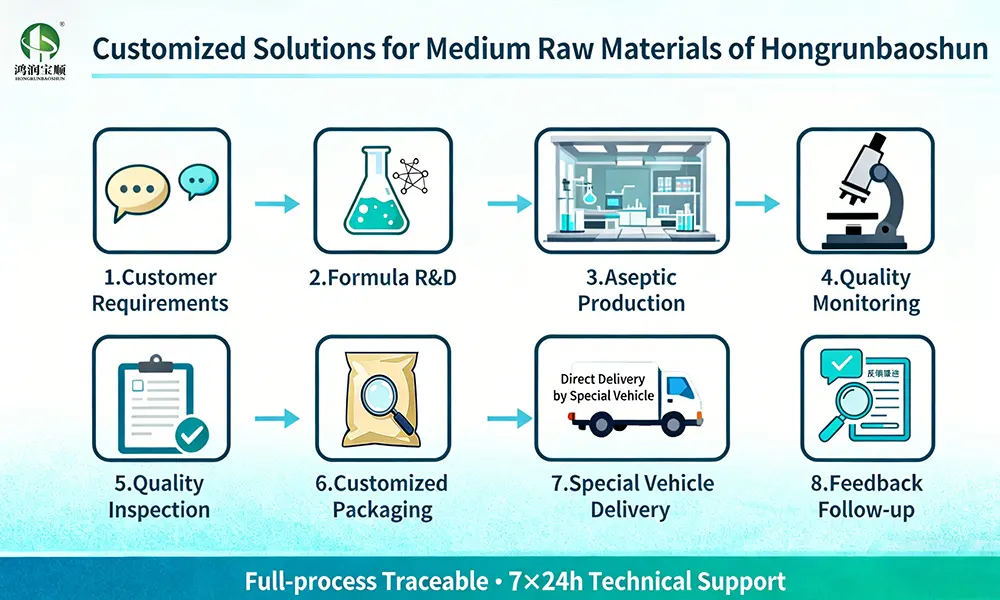
We support personalized customization according to your business needs, covering product design, functional development, packaging, and application solutions to meet diverse and industry-specific requirements.
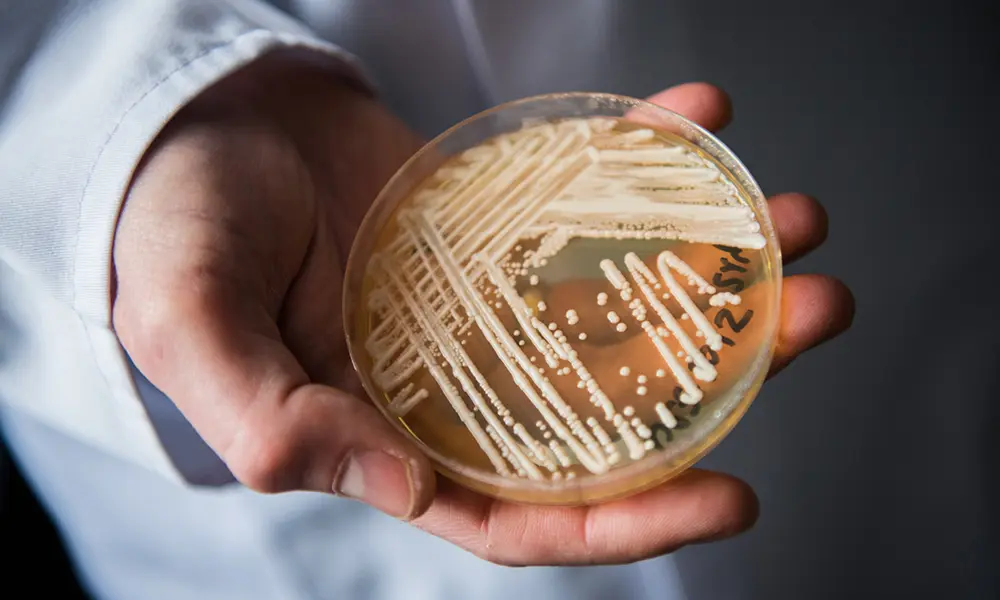
Strict quality control system and standardized production process ensure stable product performance, high purity, and consistency, winning long-term trust from global customers.
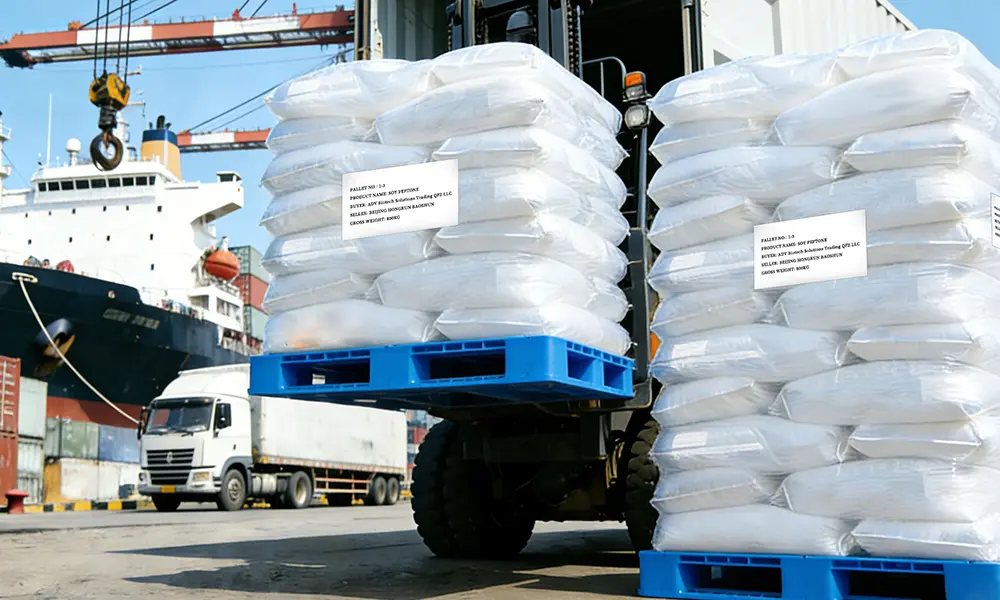
Complete supply chain management and multiple warehousing distribution centers guarantee fast order processing and on-time delivery, greatly shortening your waiting cycle.

We offer cost-effective pricing strategies and flexible cooperation modes, supporting bulk discounts and long-term strategic cooperation to maximize your benefits.
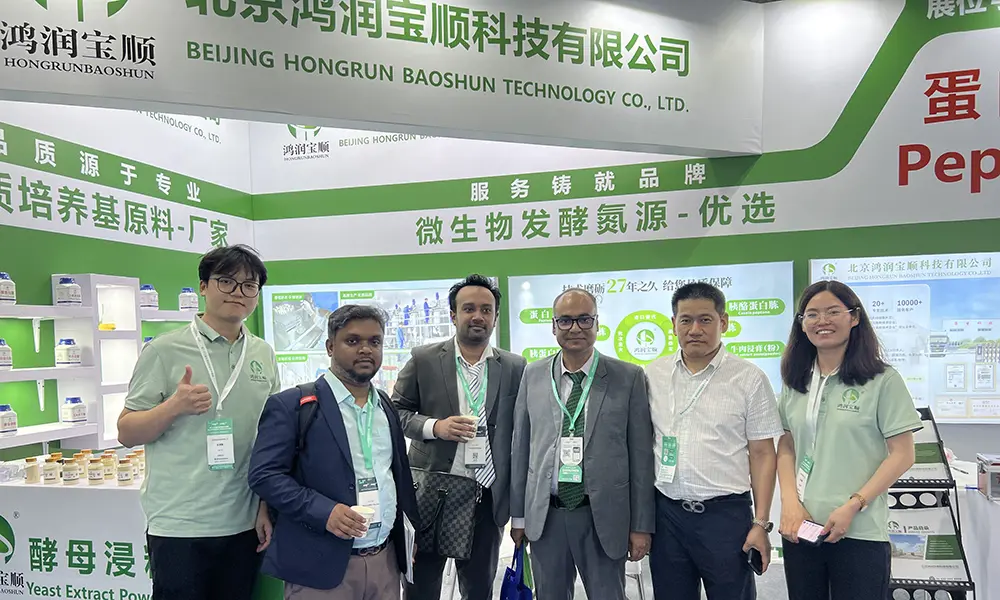
Professional service team with multilingual capabilities provides efficient and barrier-free communication for global clients, ensuring smooth business cooperation.
Leading the next generation of bioprocessing nutrients with precision engineering
As industrial biotechnology targets net-zero carbon footprints, the fermentation sector is shifting from chemical-intensive synthesis to green biology. We are driving research to transition crude protein derivatives into highly characterized, chemically defined organic nitrogen sources. Our future technical roadmap centers on two core milestones:
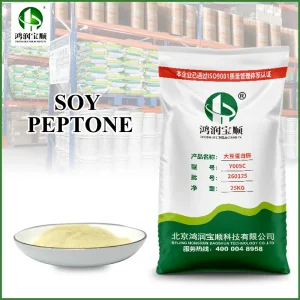
2. Sustainable Plant-Derived Nutrients: Industrial bio-producers face regulatory demands to eliminate animal-derived vectors. Our plant-derived nitrogen lines—such as premium soy peptone, wheat peptone, and fermented soybean meal—are undergoing enzyme optimization trials to improve clarity, filterability, and metabolic availability, matching the nutrient kinetics of traditional animal components.
Insights on Organic Nitrogen selection, Citric Acid process optimization, and factory operations.
Premium plant and organic proteins formulated to optimize microbial density, industrial enzyme activity, and citric acid accumulation rates.
 Hongrun Baoshun